Worst four hours
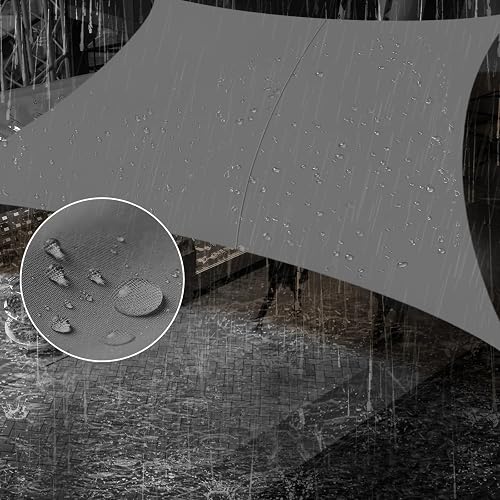
Shade sail, 3m x 3m
Cuts the midday sun off the part of the deck people actually sit on. Needs four solid anchor points, so check what it can fix to first.
Check price on Amazon AUSummer is the season that ages a timber deck fastest. Five months of hard sun, a few 38 degree days and no rain for a fortnight will silver a pine board and open cracks along the grain that were not there at Christmas. None of that happens in one afternoon. It happens because nothing was done between October and February.
By Good Trades AU | Published 11 November 2026 | 8 minute read
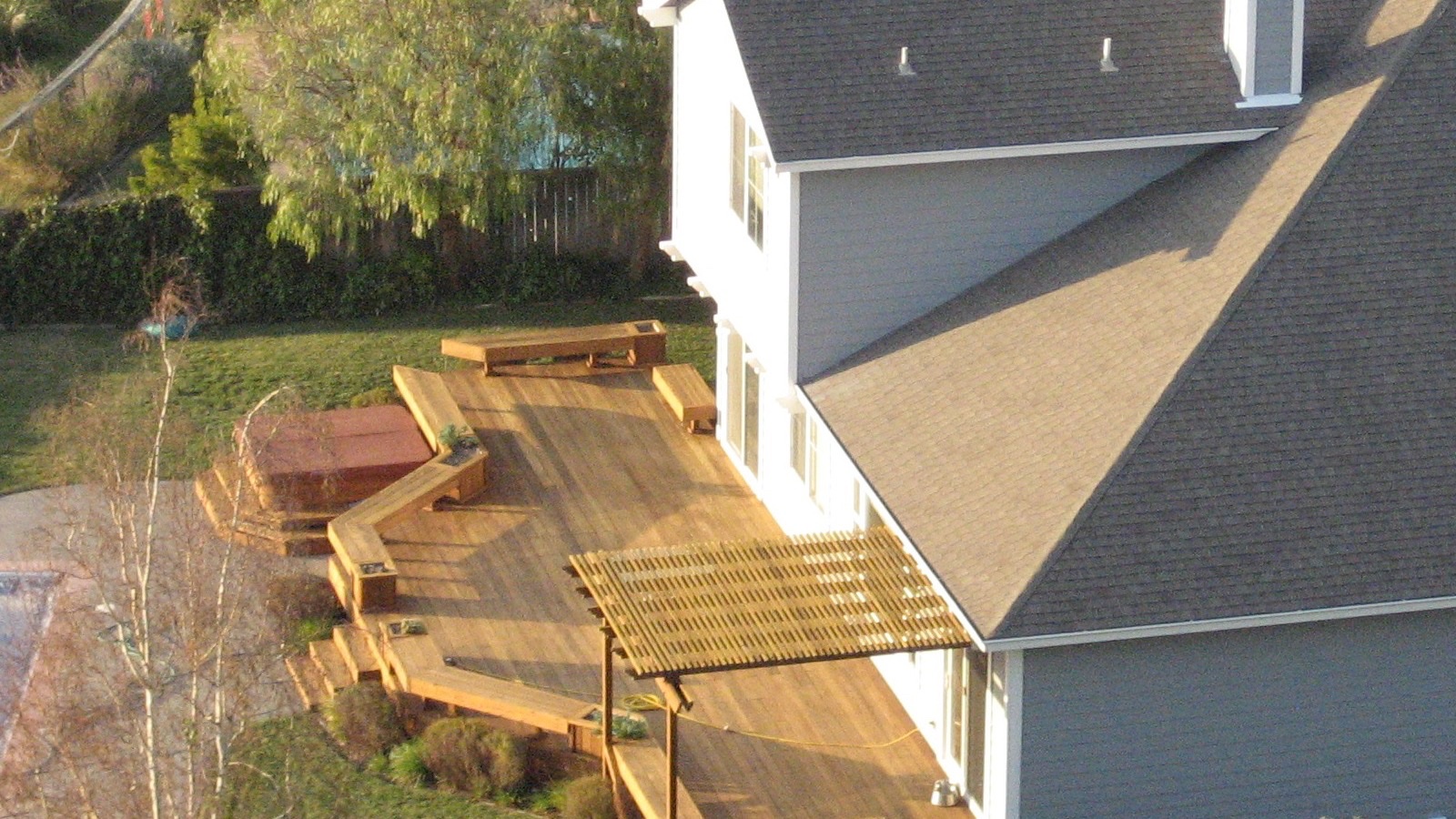
Heat damage on a deck is not just the colour going. The boards lose moisture from the surface, the grain lifts, the cells that hold a finish die off, and every summer after that the damage deepens faster because there is less sound timber to hold a coat. A deck caught early is a wash and two coats. A deck left for four summers is a sanding job, and then boards.
What follows are the seven things worth doing, in the order they should be done. Most of it is a day or two of work and a few hundred dollars of product. One item on the list is a licensed job the moment it becomes structural.
A shade sail over the sunny half of a deck does two jobs at once. It cuts the UV reaching the boards, and it makes the deck usable at two in the afternoon in January, which is the reason most people have one. The Australian summer sun at midday is not the same load as a winter afternoon, and a board that sits in direct sun from 10am until 4pm will always weather faster than one 3 metres under a sail.
By November a deck carries a summer of dust, pollen, bird lime, sap and, on the coast, salt. All of it sits on the surface and holds a little moisture against the timber, and all of it has to come off before a fresh coat goes on. A coat applied over grime lifts in sheets within a season.
Hose it down, put a deck cleaner made for timber on it with a stiff broom, and work in sections. A pressure washer works if you keep the nozzle moving and the pressure low. Held in one spot on soft timber it lifts the soft summer growth ring out of the board and leaves a groove that holds water all summer and every summer after.
Do not buy a product because the tin looks good. Splash a cup of water across three or four boards at different parts of the deck and watch for a minute.
Walk the deck in the hottest part of the day, in bare feet if you can stand it, and look for three things.
The single most common summer mistake is sealing a deck at two in the afternoon. The board is hot, the solvent flashes off before it soaks in, and you get a sticky, patchy finish that lifts in six months. A 24 degree morning with a clear 24 hour forecast is the right window.
The order that works:
Dark boards, composite in particular, can get hot enough in direct January sun to be genuinely painful. If the deck is the main path between the back door and the pool, that is a daily problem for children and dogs, and it is a reason people put shade over the deck in the first place.
These ranges come from our own deck cost guide, checked in November 2026. They are guidance, not a quote.
| Job | Typical cost | Who should do it |
|---|---|---|
| Oil or stain a 30 sqm deck | $1,200 to $3,500 | Homeowner or a painter |
| Treated pine deck, supply and build | $350 to $650 per sqm | Licensed carpenter |
| Hardwood deck, supply and build | $550 to $950 per sqm | Licensed carpenter |
| Composite deck, supply and build | $600 to $1,100 per sqm | Licensed carpenter |
| Deck with roof or pergola, extra cost | Add $400 to $900 per sqm | Licensed carpenter, often needs approval |
| Balustrade | $250 to $600 per linear metre | Licensed carpenter |
| 25 sqm treated pine deck, ground level | $9,000 to $16,000 | Licensed carpenter |
| 25 sqm hardwood deck, elevated | $14,000 to $24,000 | Licensed carpenter |
The full breakdown, including why height and access move the price more than the timber species, is in the deck cost guide. If the deck is one item on a bigger list, renovating before Christmas covers what can genuinely be finished in the next six weeks.
Look for silvery grey colour, fine cracks along the grain, boards that cup or lift at the edges, and water that soaks straight in instead of beading. Grey means the surface fibres are dead, which is the point where a wash and a fresh coat will save the boards.
You cannot stop the sun, but you can slow the fade a long way: keep a finish on the boards, shade the deck between about 10am and 4pm in summer, wash off salt and dust, and never let a deck go two summers without oil or stain.
Late spring and early autumn, when the boards are dry, the mornings are cool and there is no rain forecast for two days. Mid summer works for a spot repair, but not for a full sand and recoat.
Sometimes. Splinters and lifted edges are injuries waiting to happen, and a board that is soft underfoot points at the structure below. Anything touching a joist, a bearer or the connection to the house is a licensed job once it passes 5,000 dollars in NSW.
Deck protection is mostly time and product. These three earn their place if you are doing the annual job yourself.
Cuts the midday sun off the part of the deck people actually sit on. Needs four solid anchor points, so check what it can fix to first.
Check price on Amazon AU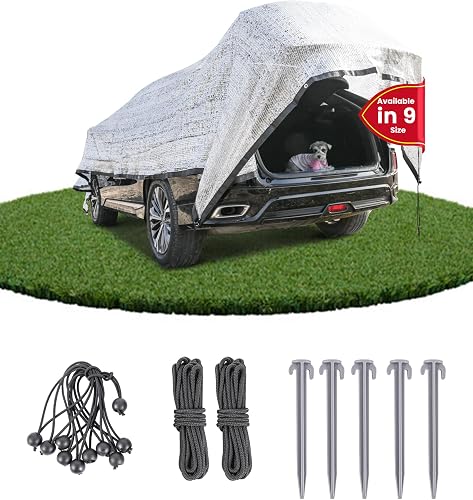
For a pergola or carport frame over the deck. Reflects rather than just blocking, so it keeps the space under it cooler than dark shadecloth.
Check price on Amazon AU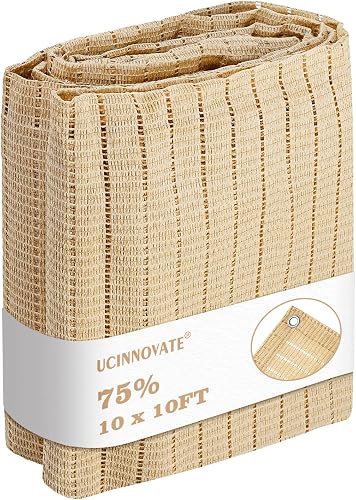
A lighter mesh that lets heat out from under it, and better on a narrow deck where a taut sail would cut the walkway.
Check price on Amazon AUFor the sanding and fixing side of the job, see the power tools page.